Black-winged Stilt
A slender silhouette
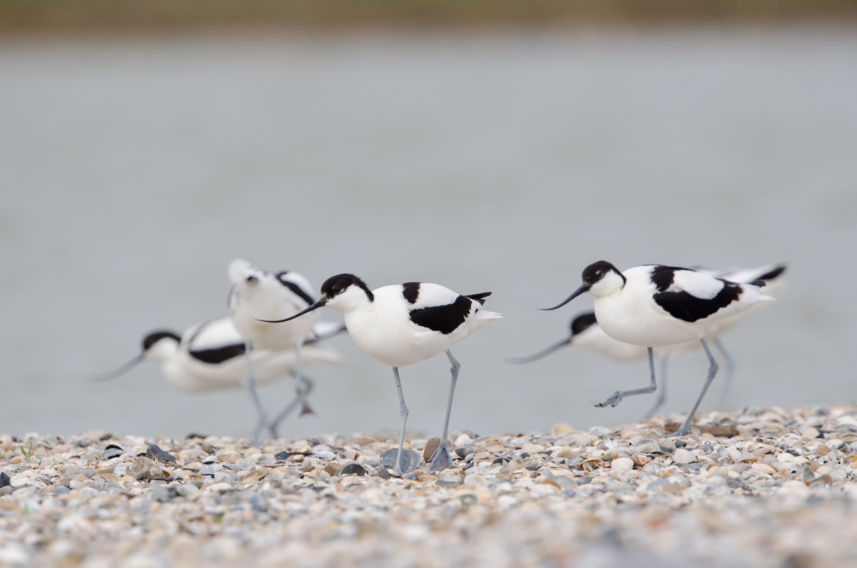
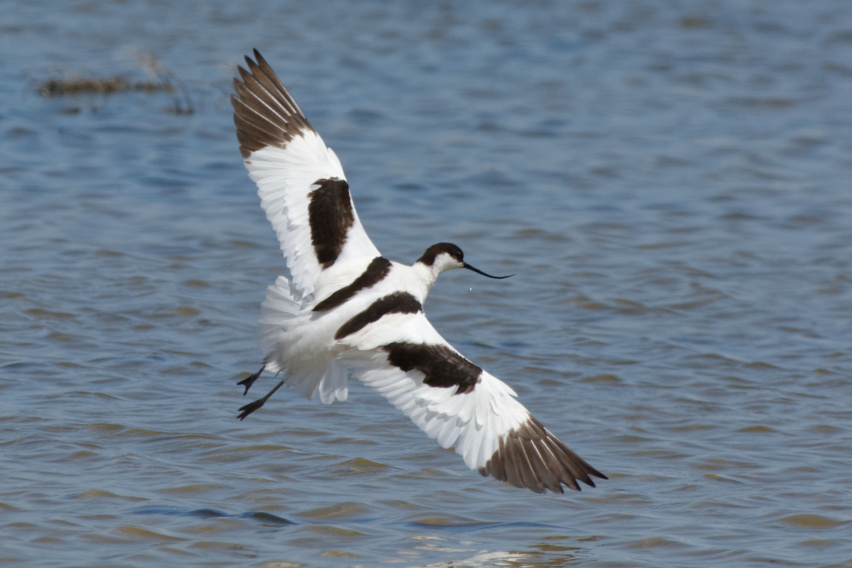
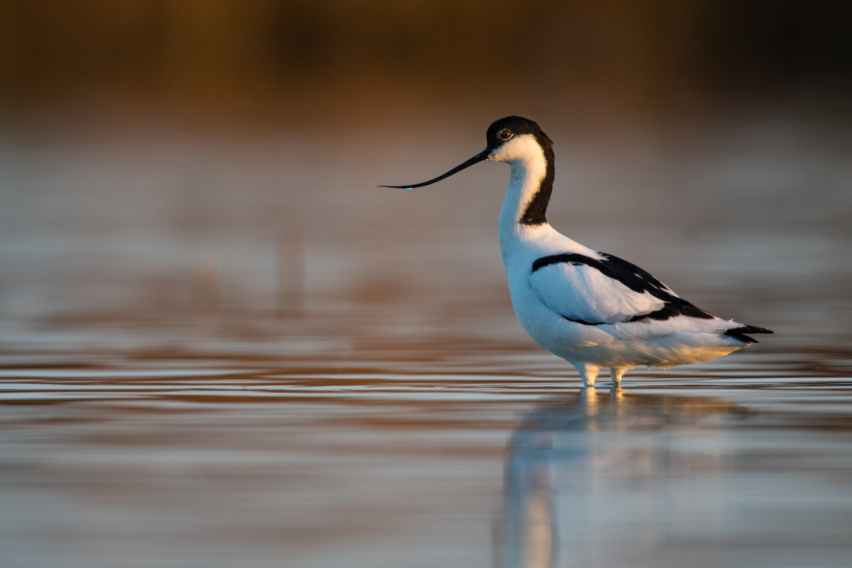
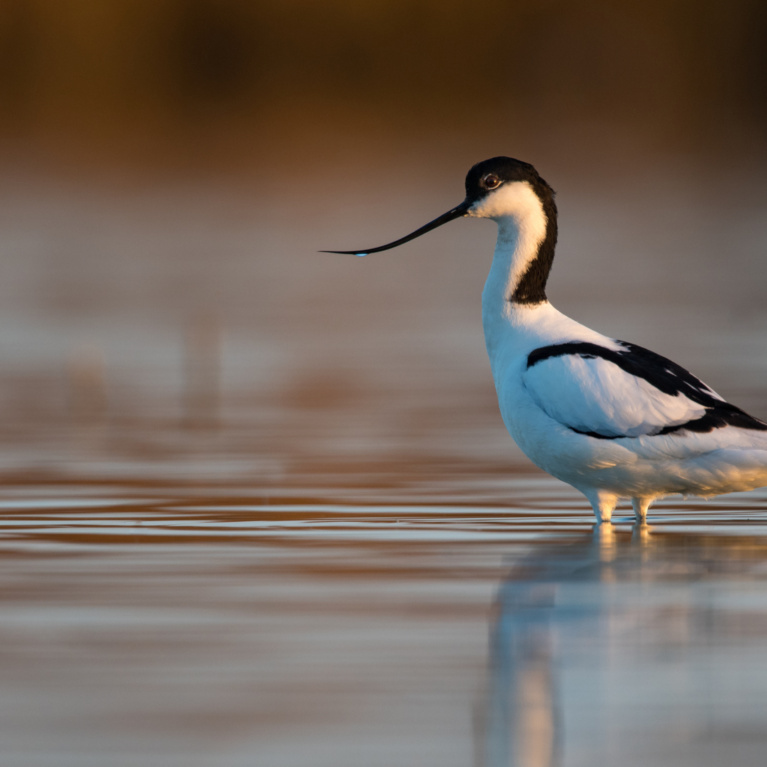
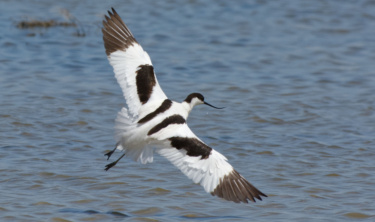
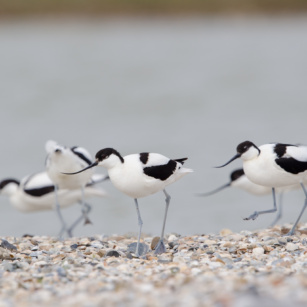
With its upward-curving bill, striking black-and-white plumage, and long blue-gray legs, the black-winged stilt is easily recognizable.
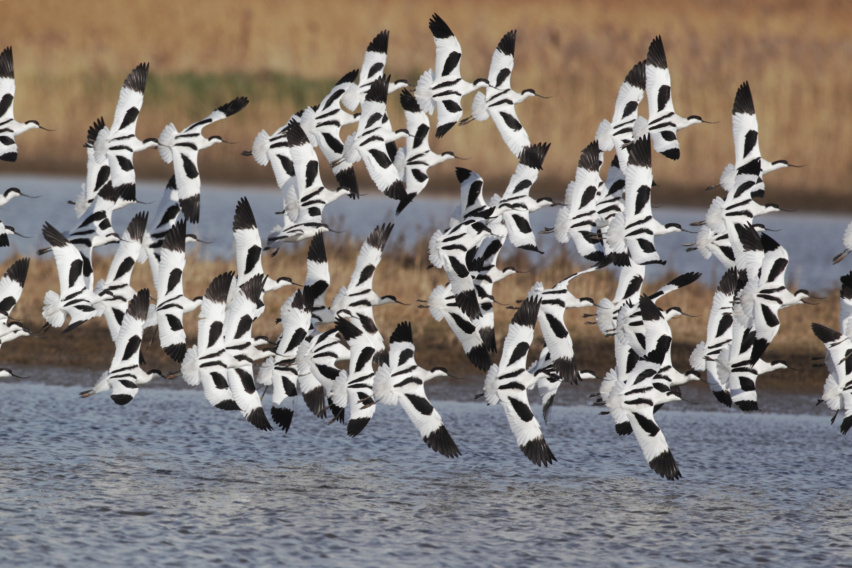
Highly social, it lives and migrates in colonies in areas of muddy water.
It particularly favors open habitats such as lagoons, salt marshes, or estuaries, where it often moves about in groups. This lifestyle allows it to ensure the protection of its young.
IUCN status
The International Union for Conservation of Nature’s Red List of Threatened Species (IUCN)
Description
Recurvirostra avosetta
Curlew family
220 to 400 g
40 to 45 cm
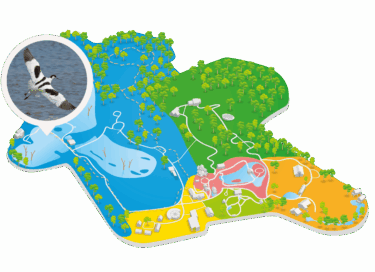
Europe, Asia, East and Southern Africa
Least Concern
20 to 25 years old
Did you know?
The Black-winged Stilt is the only species of stilt found naturally in Europe.
When resting, this bird can stand on a single leg. It can also sleep on the water, floating effortlessly.
Deeply attached to their roots, Black-winged Stilts instinctively return to their birthplace to breed.
Food
The avocet feeds using its slightly curved beak, which allows it to probe the water’s surface and hunt for prey. Its diet consists mainly of invertebrates found at depths of 4 to 10 centimeters.
Reproduction
The breeding season begins in April and can last until August.
The black-winged stilt digs a nest in moist soil. It lays 3 or 4 eggs between April and May. Once the eggs are in the nest, both parents take turns incubating them for a month.