Coyote
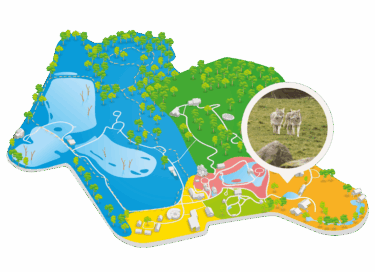
In the heart of the New World, these canids live alongside black bears. To get a closer look at them, head to the Grange du Nouveau Monde Nature Lodge!
An animal with many fine qualities
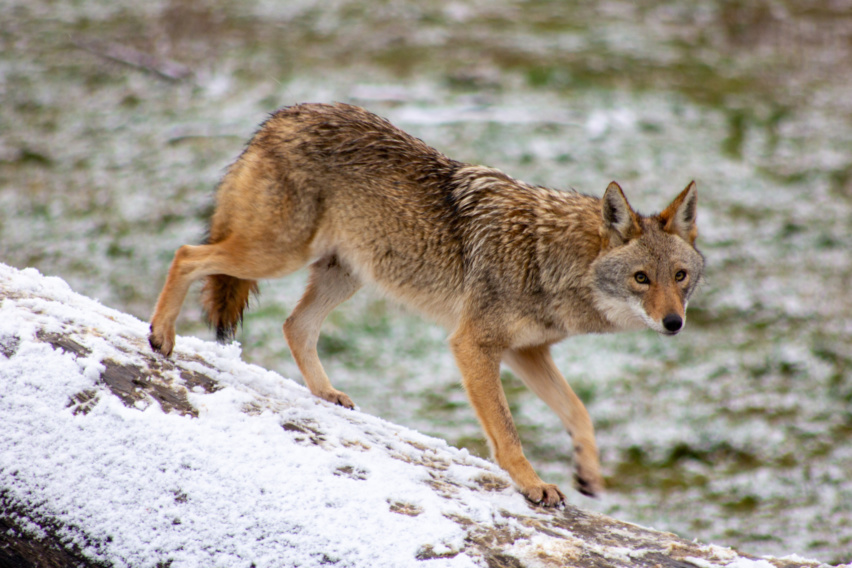
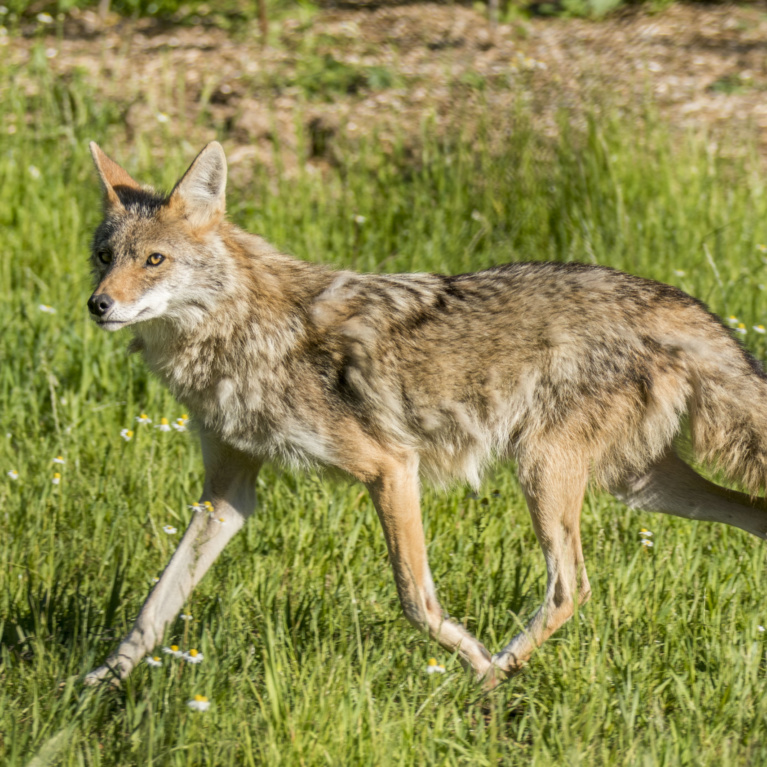
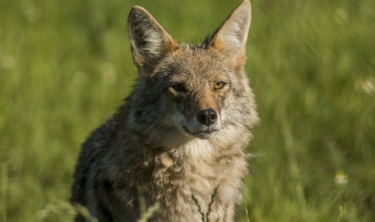
A remarkable canid with long, pointed ears and long legs, the coyote combines the agility of a wildcat, the cunning of a fox, and the fierce nature of a wolf. Though overshadowed by the larger and more iconic wolf, the coyote possesses all the qualities necessary for survival: intelligence, cunning, speed, endurance, resilience, and boundless adaptability.
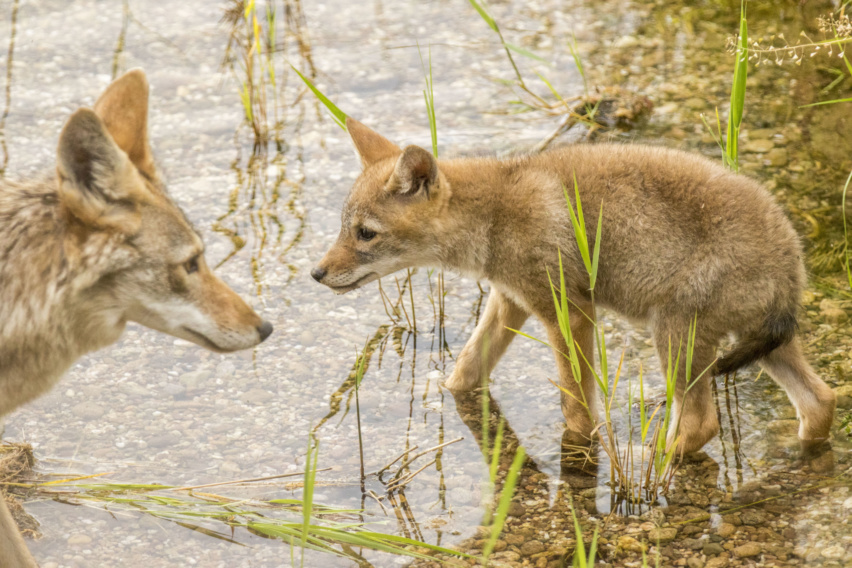
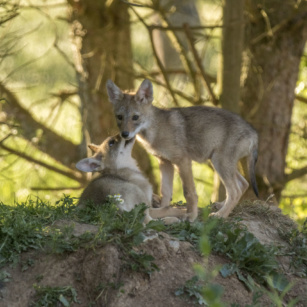
Recognizable by its howls, the “Canis latrans” or “barking dog” is a highly social animal. Contrary to popular belief, it is not solitary and prefers to live in pairs or packs. The size of the packs is proportional to the population in the region and the available food resources. These groups rely on a cooperative way of life: each member protects its territory and provides for the young.
IUCN status
The International Union for Conservation of Nature’s Red List of Threatened Species (IUCN)
Description
Canis latrans
Canids
7 to 20kg
76 to 86cm
Plains, grasslands, deserts, and forested areas
Least Concern
15 to 18 years in captivity / 10 to 14 years in the wild
Did you know?
To mark its territory and avoid conflicts, the coyote marks its territory with its scent. To do this, it rubs its “exocrine” glands—located at the base of its anus and on the dorsal side of its tail—against tree trunks, rocks, or the ground.
Food
The coyote is a carnivore. It is a silent, agile, and cunning hunter that adapts its hunting methods to the size of its prey as well as to the available food sources… It is both opportunistic and not very selective. It eats almost anything it can find (rodents, fish, etc.)