European Momentum
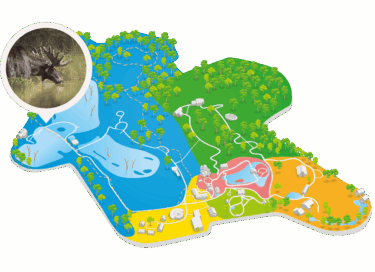

The Giant of the Far North
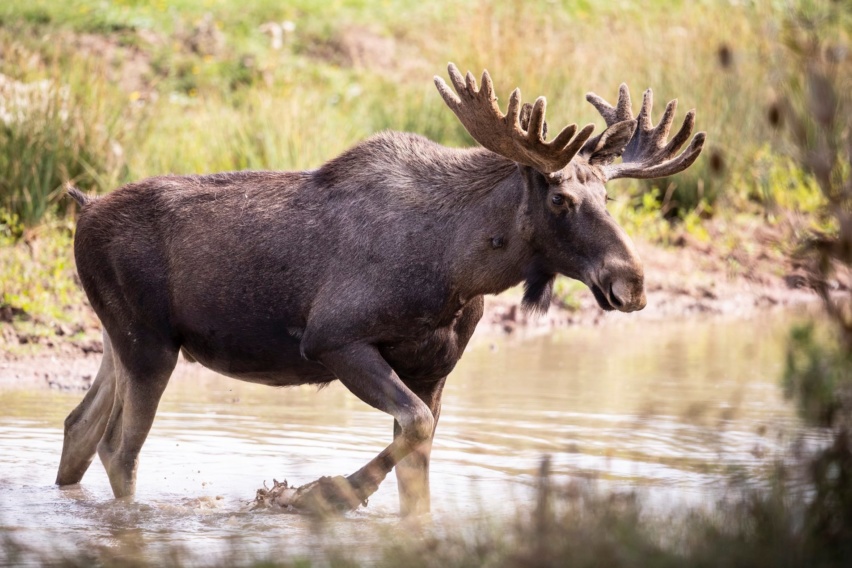
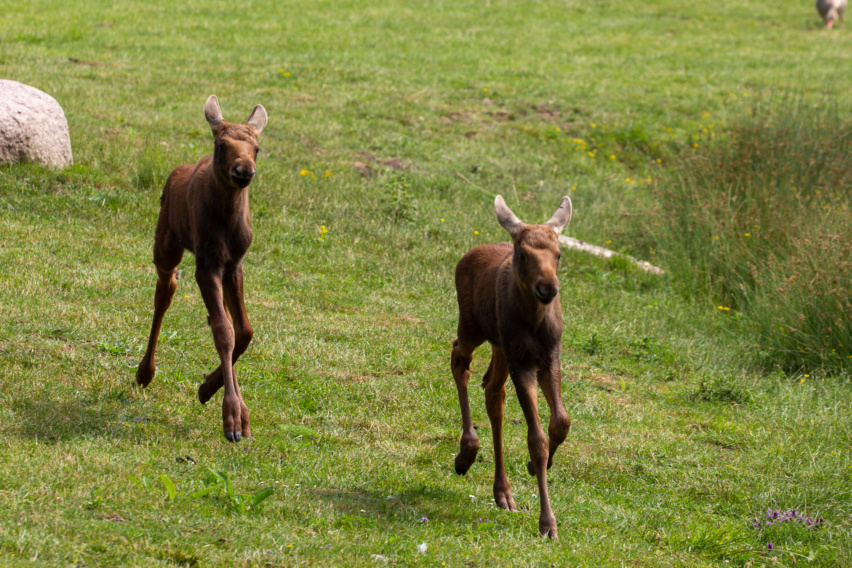
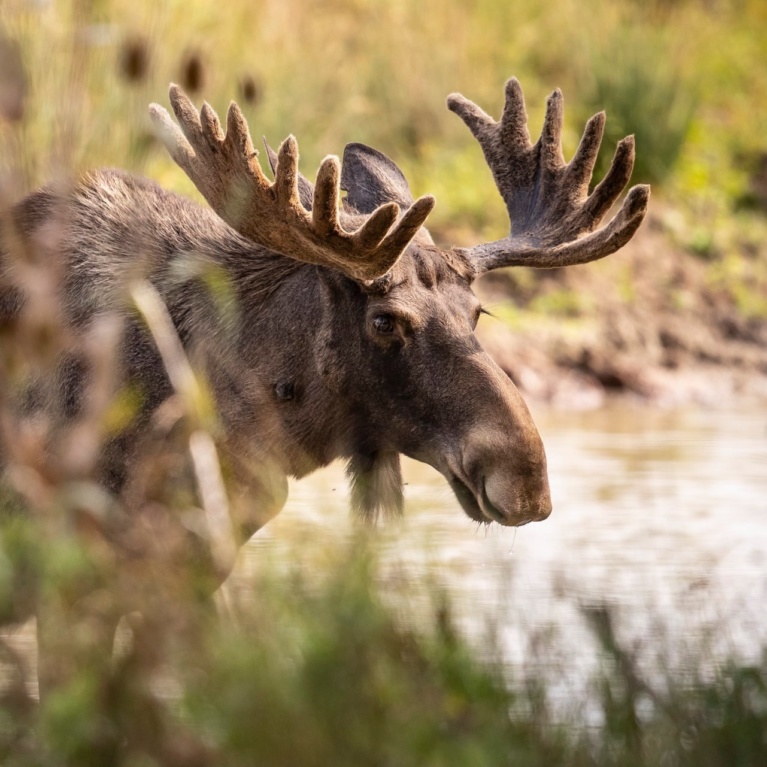
Known as the “elk” in France and the “moose” in Quebec, it is the largest member of the deer family and one of the largest herbivores in Europe. Its legs are long and end in four hooves partially connected by a membrane, which helps it sink less deeply into soft ground.
An excellent swimmer, it is capable of grazing on aquatic plants with its head underwater. It can even stay submerged for up to one minute.
IUCN status
The International Union for Conservation of Nature’s Red List of Threatened Species (IUCN)
Description
Alces
Deer
300 to 500kg
1,40 to 2m
Temperate forest, boreal forest, and tundra
Least Concern
15 to 25 years
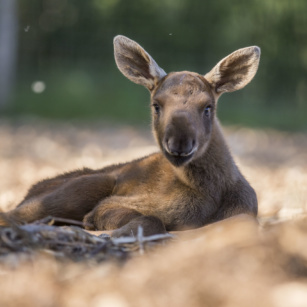
Did you know?
Humans are the elk’s primary predator. In fact, recreational hunting makes them a prime target. Aside from humans, their natural predators include wolves, bears, Siberian tigers, and—in some cases—large pumas and wolverines, which prey on the young.
Food
Elks are herbivores; they feed on grass, foliage, and tender wood… They spend much of the day searching for food. They quickly deplete the resources in their territory and are forced to migrate from one region to another.