



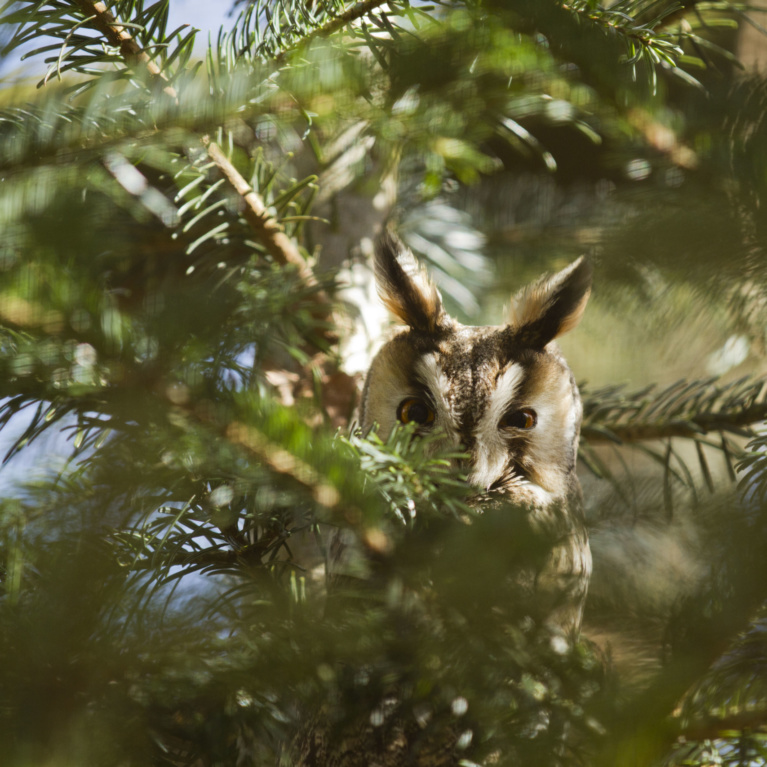
Long-eared Owl
The Owl with the Long Tufts
Its head is topped by two large tufts that are often
erect: it is said to “frown.” In fact, the tufts lie flat when the owl is calm.
Pairs of short-eared owls are monogamous and their relationships last only one season. The pair rarely builds a nest and prefers to use that of a crow, a buzzard, a magpie, a raven, or even a squirrel.
It hunts its prey by flying over fields and open terrain, gliding silently, eyes on the lookout, alert to the slightest sign of life. As soon as it spots its prey, it dives on it in a gliding flight and seizes it with its talons.
IUCN status
The International Union for Conservation of Nature’s Red List of Threatened Species (IUCN)
Description
Asio otus
Strigidae
200 to 450g
35 to 40cm
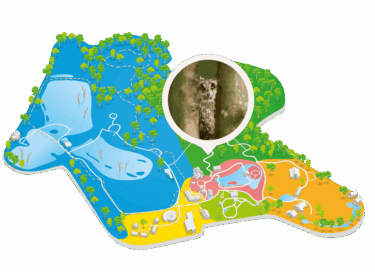
Open landscapes dotted with coniferous and mixed forests
Least Concern
18 years

Did you know?
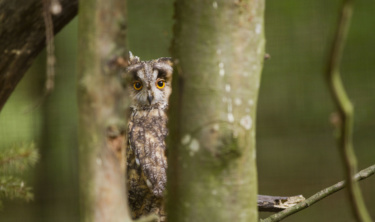
During the day, when it feels like it’s being watched, it slims down and fluffs up its feathers until it looks just like a branch!
Food
It feeds on small mammals such as voles, young rabbits, and young rats. It may also catch small birds, small snakes, and insects.