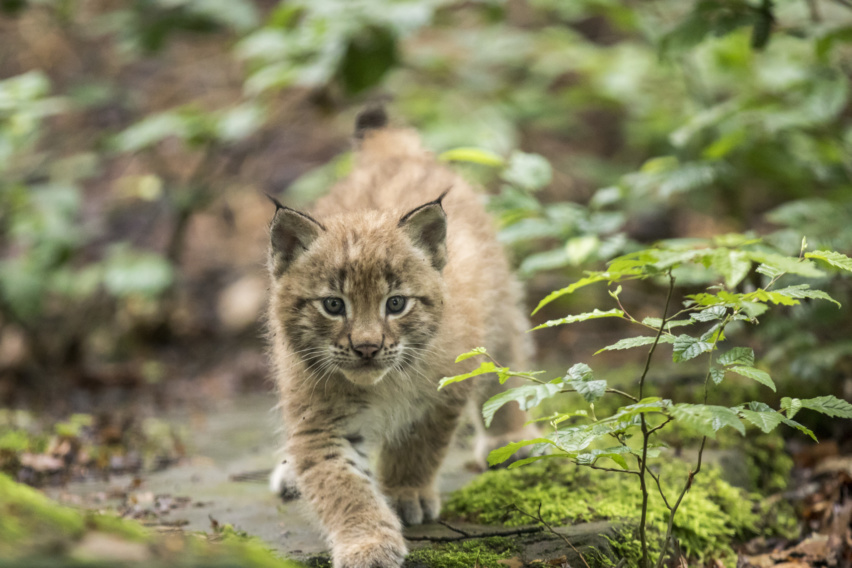
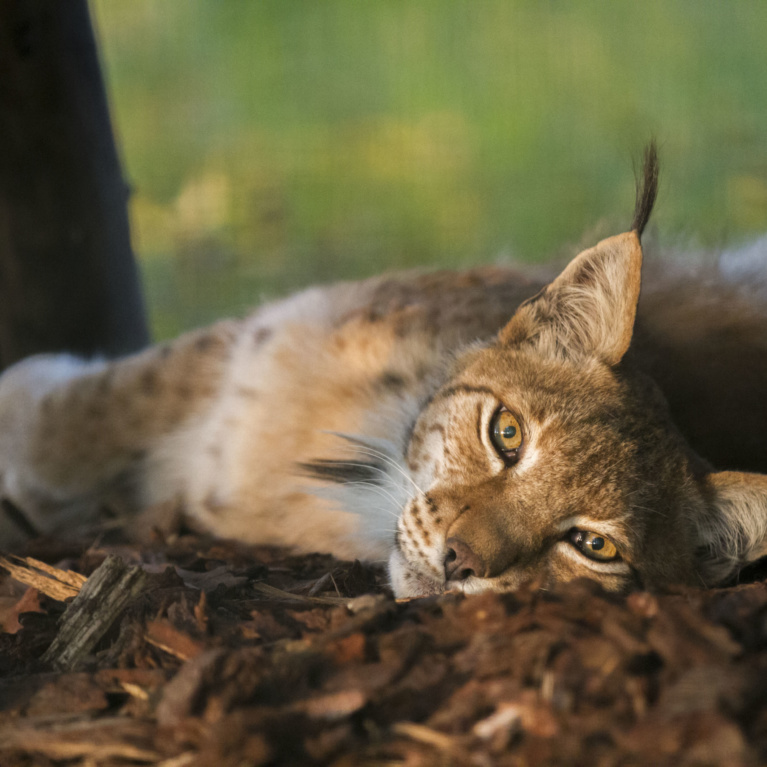
Northern lynx
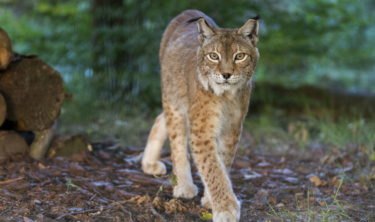
Europe’s largest cat
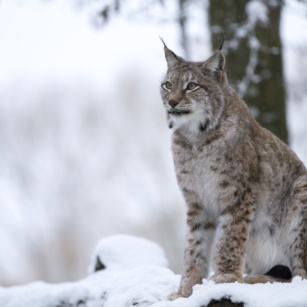
The lynx is recognizable by its tufts (long tufts of hair at the tips of its ears) and its short tail. It has powerful hind legs that help it hunt from ambush and move through the snow.
Like most felines, it has retractable claws that help it capture prey and make it a skilled climber. It is a solitary animal: males and females only come together during the mating season. Wiped out in many countries by the end of the 19th century, the boreal lynx has benefited from numerous reintroduction programs.
IUCN status
The International Union for Conservation of Nature’s Red List of Threatened Species (IUCN)
Description
Lynx lynx
Felines
18 to 25kg
50 to 75cm
Boreal and temperate forests
Least Concern
30 years in captivity / 15 years in the wild
Reintroduction
Reintroduced in Switzerland, it crossed the border in 1975 and moved from the Swiss Jura to the French Jura. In France, reintroductions began in 1983 in the Vosges.
Food
The lynx feeds on prey it hunts and is not a scavenger. It preys on everything from small rodents to medium-sized ungulates.