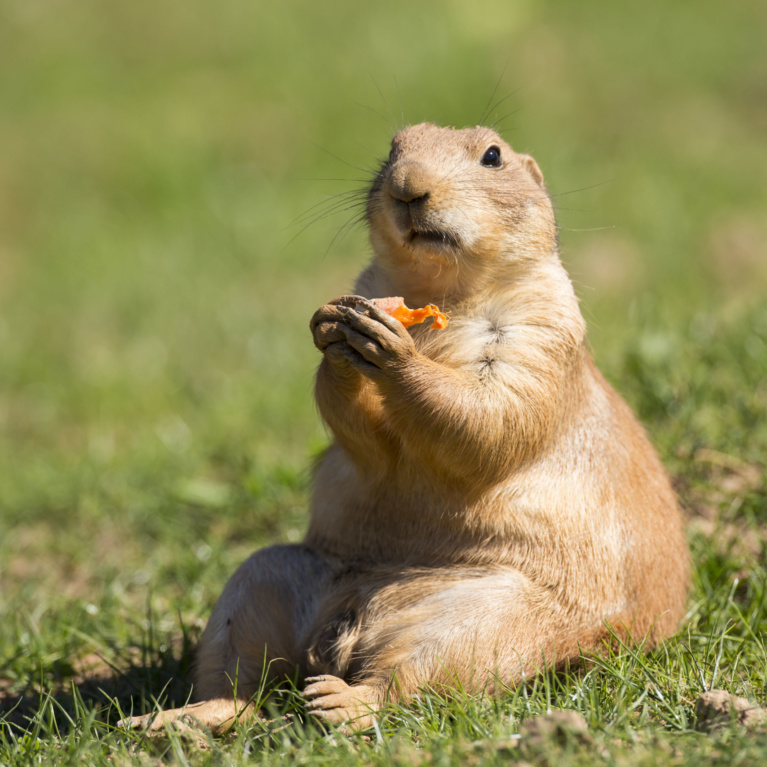
Prairie dog
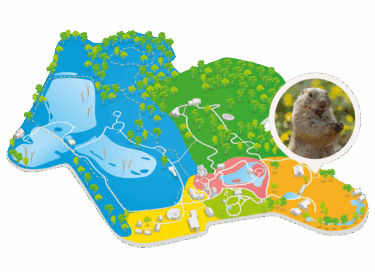
In the New World zone, step into the realm of this red-skinned creature from North America!
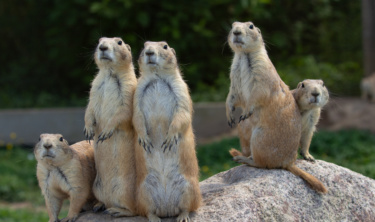
A sociable animal
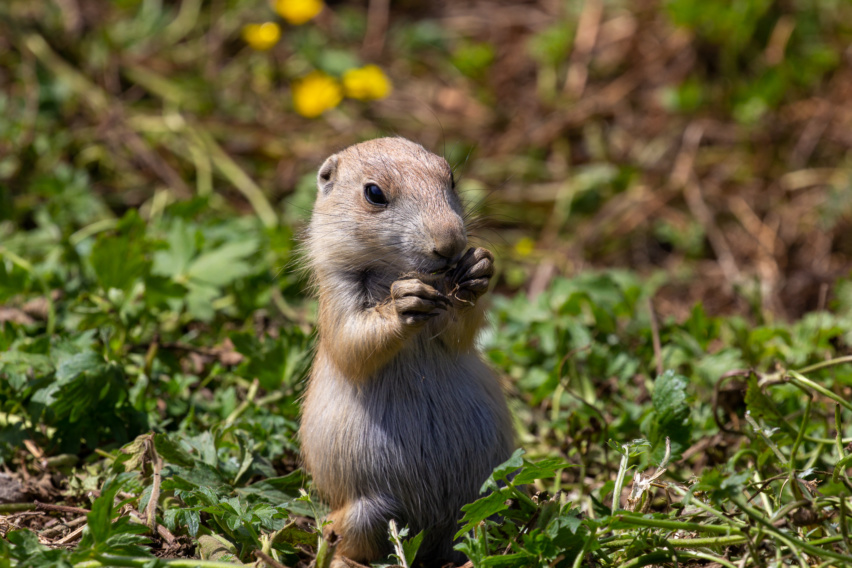
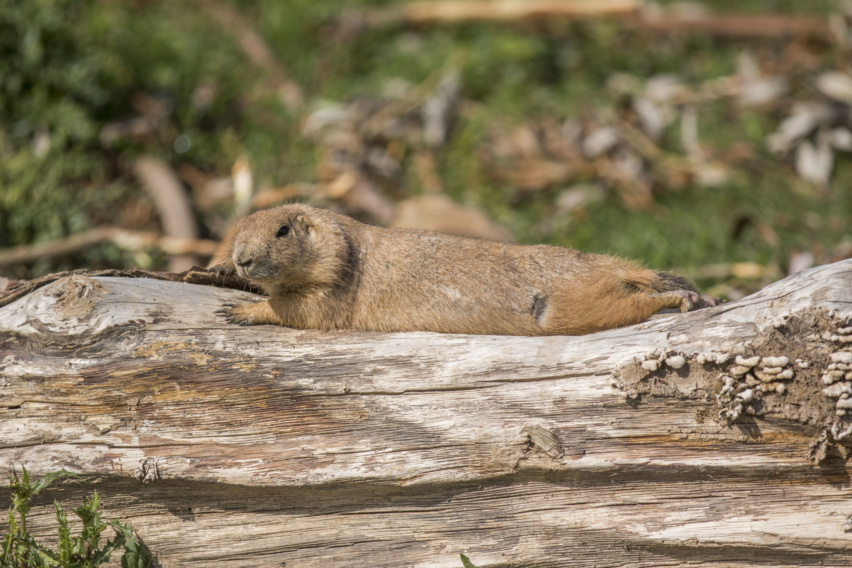
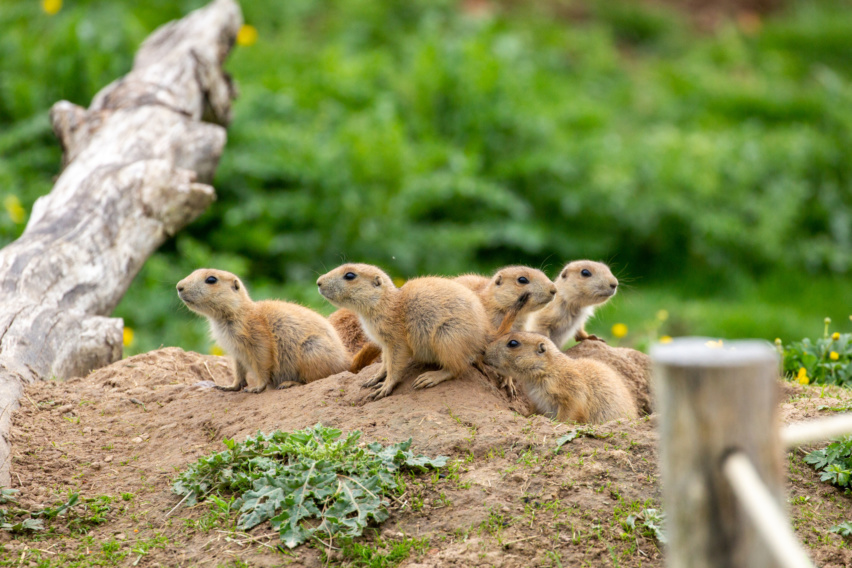
Particularly sociable and playful, this species exhibits a remarkable lack of organized social structure. It spends most of its time in underground burrows (with up to 3,000 square meters of tunnels) where it lives in large colonies, which are themselves divided into “cliques” (of up to 25 individuals).
Every member of the clan contributes to its well-being: raising the young, building and maintaining the burrow, keeping watch…
IUCN status
The International Union for Conservation of Nature’s Red List of Threatened Species (IUCN)
Description
Cynomys ludovicianus
Sciuridae
900 g to 1.4 kg
30 to 40 cm
Vast grassy plains
Least Concern
10 years in captivity / 5 to 8 years in the wild
An environmental benefit
Essential to the health of its environment, it contributes to the ecological balance of North America’s vast plains and grasslands, on which many animal and plant species depend. By turning over the soil to build its burrows, it enriches and improves its structure, making it more porous and contributing to its fertility… just as earthworms and moles do.
Origin of the name
Contrary to what its name might suggest, the prairie dog is not related to dogs at all. It owes its name to its characteristic call, which sounds like a high-pitched bark. In the United States, it is also sometimes called a “barking squirrel.”
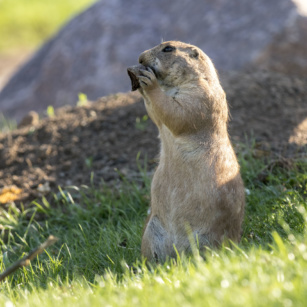
Food
As a herbivore that feeds primarily on plants, it eats one-tenth of its body weight each day and obtains the minimum amount of water it needs from the vegetation it consumes. It may also supplement its diet with fruits and, to a lesser extent, insects.