Lapland Owl

The featherweight giant
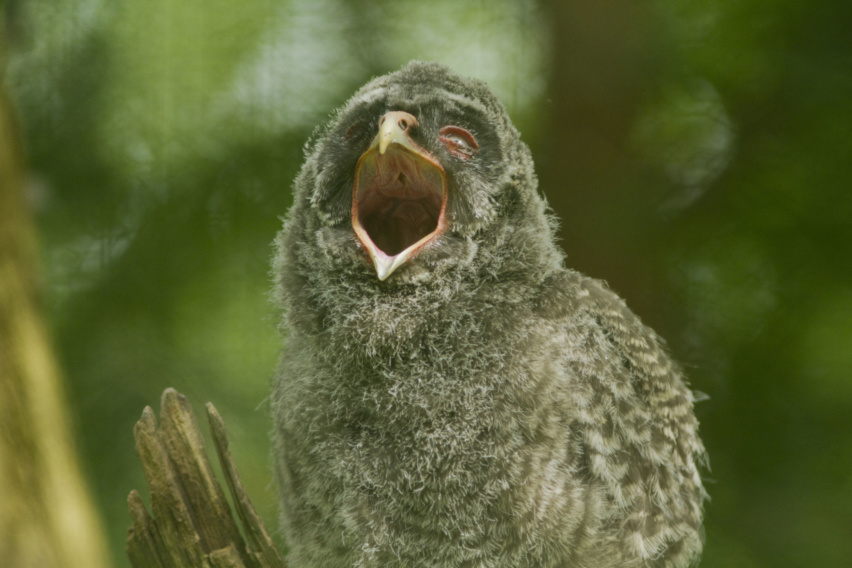
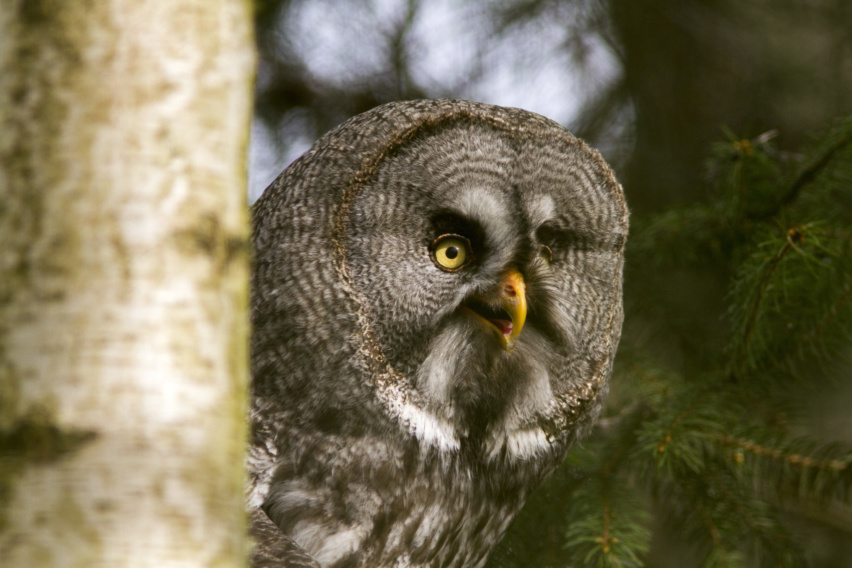
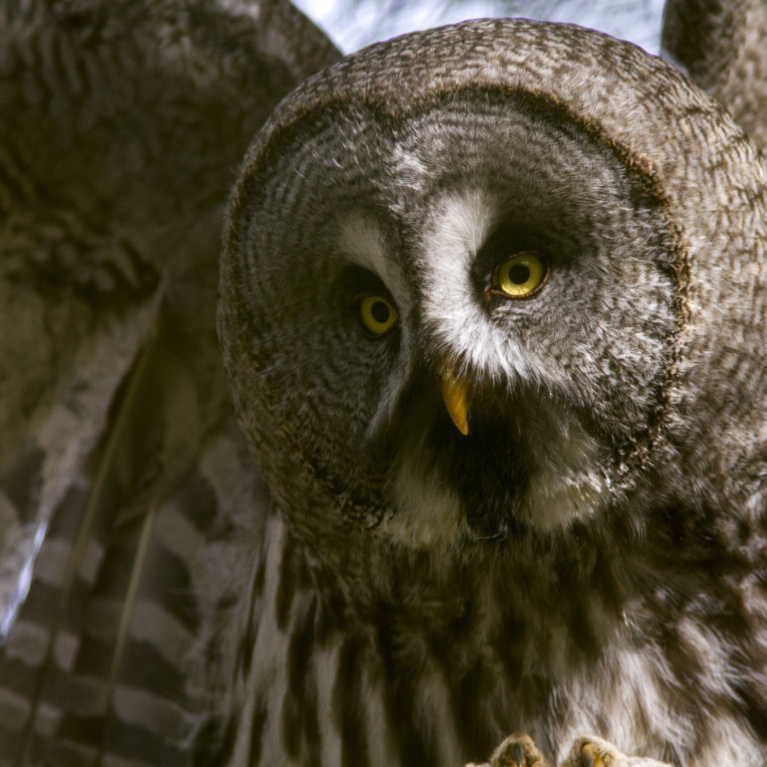
It is one of the largest nocturnal birds of prey in the world.
Its thick plumage is ash-gray in color, providing perfect camouflage in mixed or coniferous forests.
It nests in old raptor nests or at the tops of broken trees. When food becomes scarce, this normally sedentary owl may migrate in search of food.
Primarily crepuscular, it adapts well to light and sunlight. This rare but not endangered bird is affected by habitat loss, mainly due to logging.
IUCN status
The International Union for Conservation of Nature’s Red List of Threatened Species (IUCN)
Description
Strix nebulosa
Strigidae
800 g to 1 kg
60 to 68 cm
Scattered Taiga Forest
Least Concern
6 years
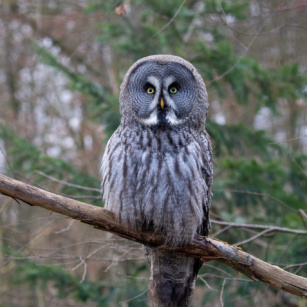
She’s not that crazy after all!
A small population lives in California and Oregon, states in the western United States. Living in a climate that is far from northern, these snowy owls have adapted to summer temperatures that regularly exceed 30°C.
Food
It feeds on small rodents that it catches after a short flight from a perch. It can spot them even when they are buried under 45 cm of snow because it has very keen hearing.