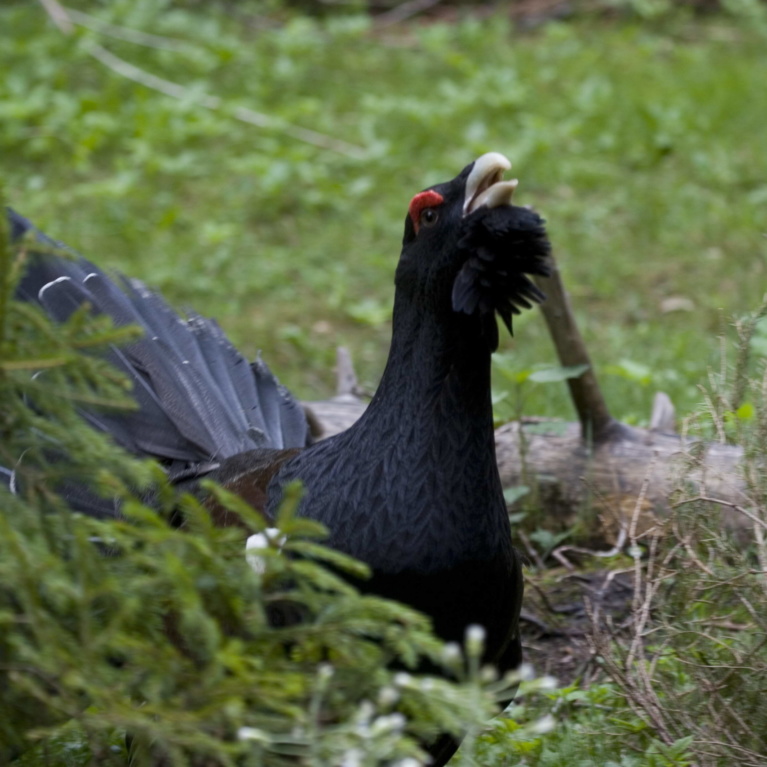
Capercaillie
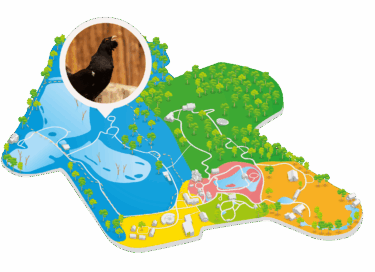
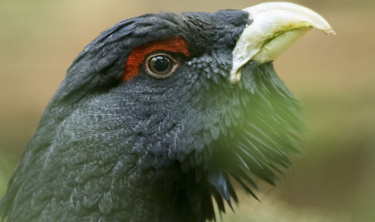
A remnant of the Ice Age
This bird is now endangered in the Vosges, where only about fifty are believed to remain today.
In a few years, it will be nothing more than a memory, a victim of intensive forestry practices, human disturbance, and an overabundance of large game.
IUCN status
The International Union for Conservation of Nature’s Red List of Threatened Species (IUCN)
Description
Tetrao urogallus
Tetranoids
1,5 to 3kg
60 to 87cm
Mature mixed forests of conifers and broadleaf trees
Least Concern
8 to 10 years
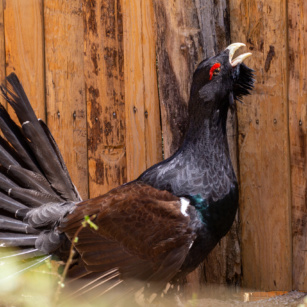
Did you know?
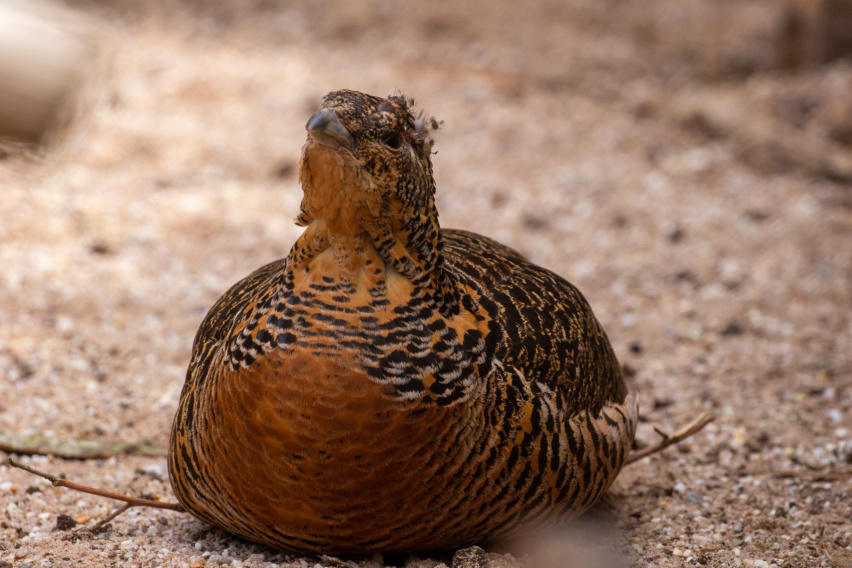
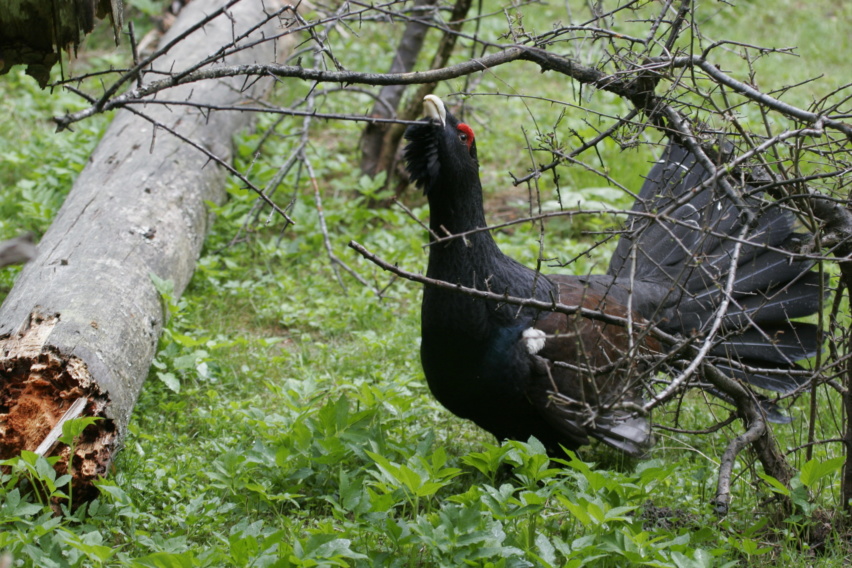
The courtship display is spectacular and takes place from March to May. The males gather at a lek and strut about, their tails fanned out, wings touching the ground, and necks stretched out, while producing a barely audible call. The more reserved females are usually mated by the dominant male.
Food
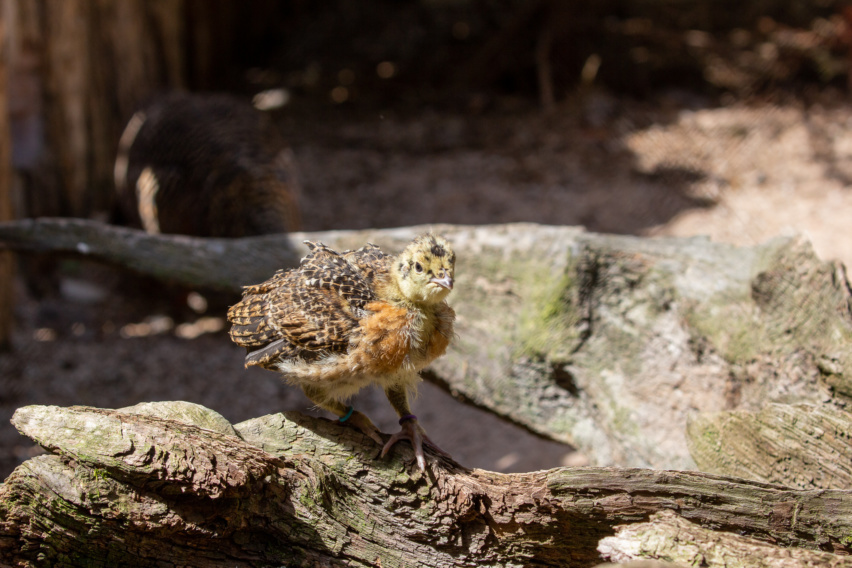
It feeds on seeds, fruits in the spring, and conifer needles in the winter. The chicks feed on insects. It loves blueberries and eats their berries, leaves, and stems.