Black bear
An imposing mammal
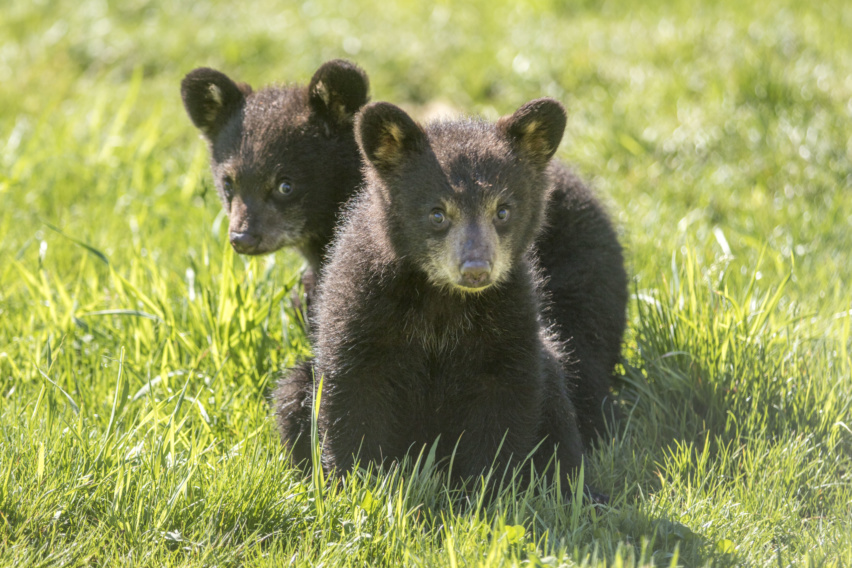
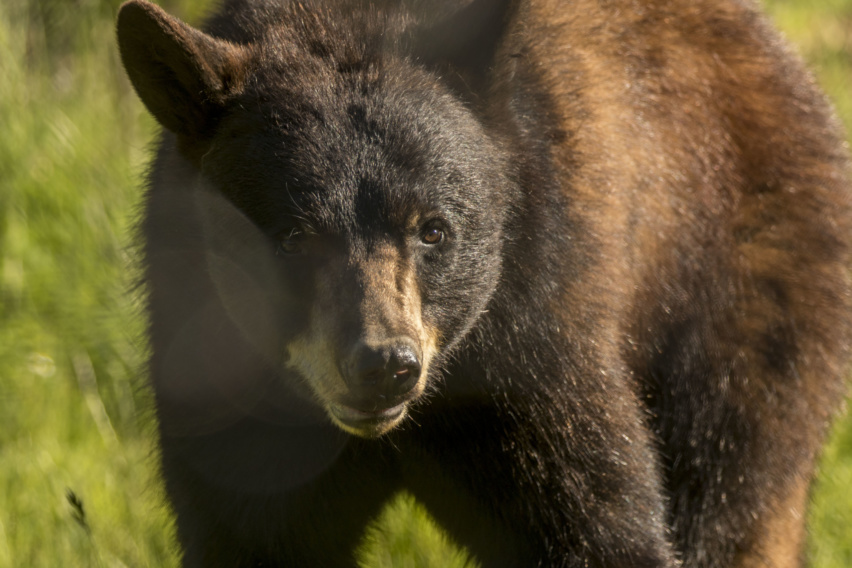
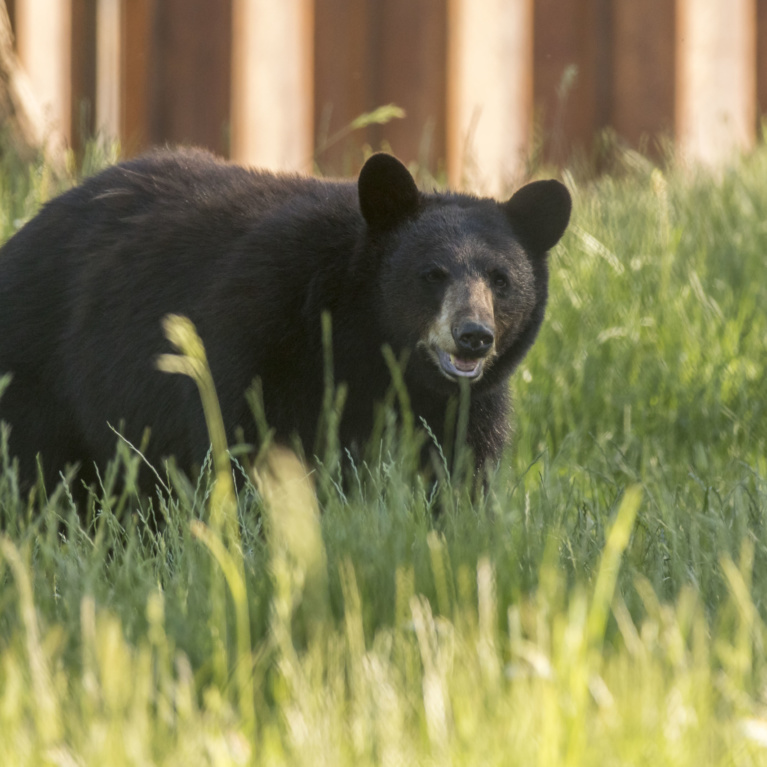
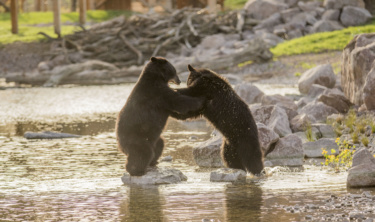
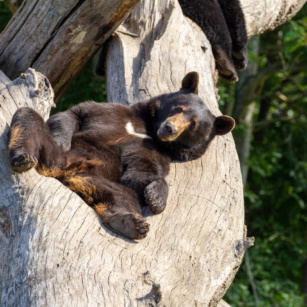
The black bear is smaller than its relatives, the grizzly and the polar bear. It also differs from them in several distinctive features: shorter fur, a long, pointed snout, and large, round ears. Its hind legs and claws are fairly short and black in color.
A solitary animal, the black bear is active both day and night. It spends most of the winter hibernating in its den. It only breaks its solitude during the breeding season, when males set out to court females.
While it once kept its distance from humans, the fragmentation of its habitat and the growth of outdoor activities now force it into close contact with people. The number of encounters is increasing, and not without risk…
IUCN status
The International Union for Conservation of Nature’s Red List of Threatened Species (IUCN)
Description
Ursus americanus
Ursidae
70 to 110kg
1,2 to 2m
Forests of North America
Least Concern
10 year
Did you know?
The Kermode bear lives in British Columbia (Canada). This subspecies of black bear is quite unique: some individuals are entirely white! They are called “spirit bears.” This unusual coloration is due to a rare genetic condition (leucism), which is very common among the Kermode population.
Food
The black bear is an insatiable glutton; a true food lover, it sometimes ventures into human settlements in search of a good meal: trash cans, municipal landfills, domestic animals, and even the pantries of isolated homes…