Black-tailed Barge
A wetland treasure worth protecting
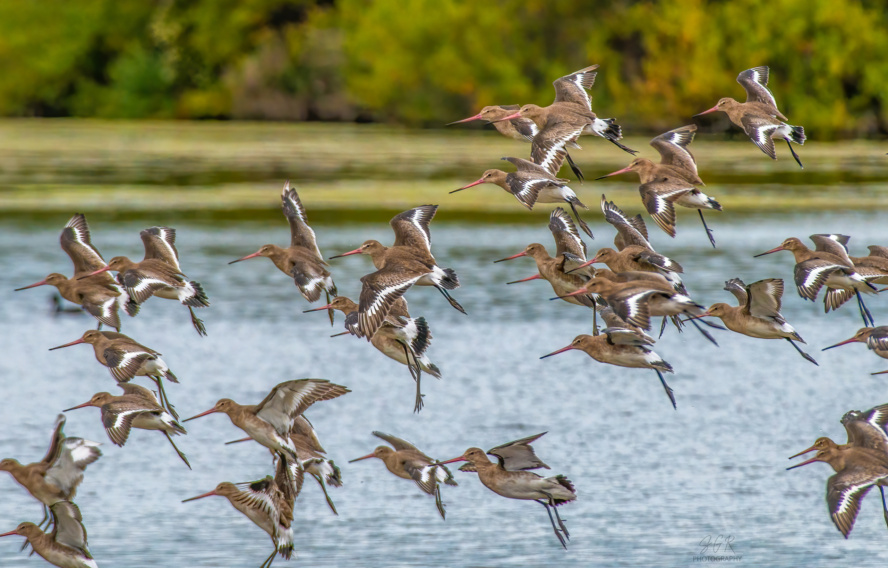
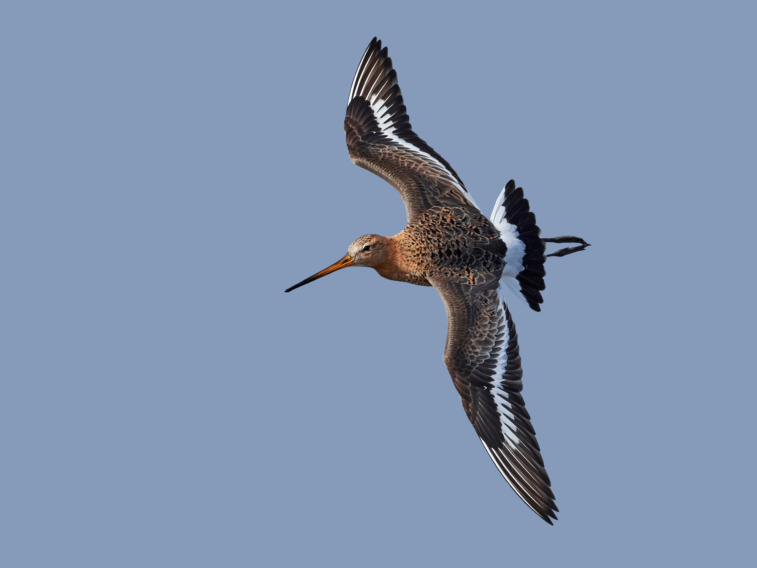
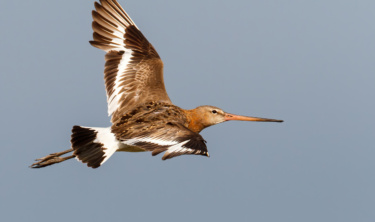
The black-tailed godwit is one of Europe’s most elegant wading birds. With its long, slender bill, long legs, and graceful flight, it attracts birdwatchers and nature lovers every year.
Unfortunately, this iconic bird is now classified as near threatened, a victim of the gradual loss of its habitat.
IUCN status
The International Union for Conservation of Nature’s Red List of Threatened Species (IUCN)
Description
Limosa limosa
Scolopacidae
244 to 500 g
44 cm
Northern and Western Europe and West Africa
Near threatended
16 years old
Did you know?
The Black-tailed Godwit could almost be mistaken for a diva of the wetlands, so much does it hate being disturbed. A mere passerby who gets too close, and it flies off in protest, as if someone had dared to interrupt its spa session in the peaceful meadows.
Its chicks, on the other hand, are true little gourmet specialists. They are so fond of insects that their survival depends entirely on the number of invertebrates available around them. When food is scarce, their growth suffers immediately, like children who’ve had their candy taken away.
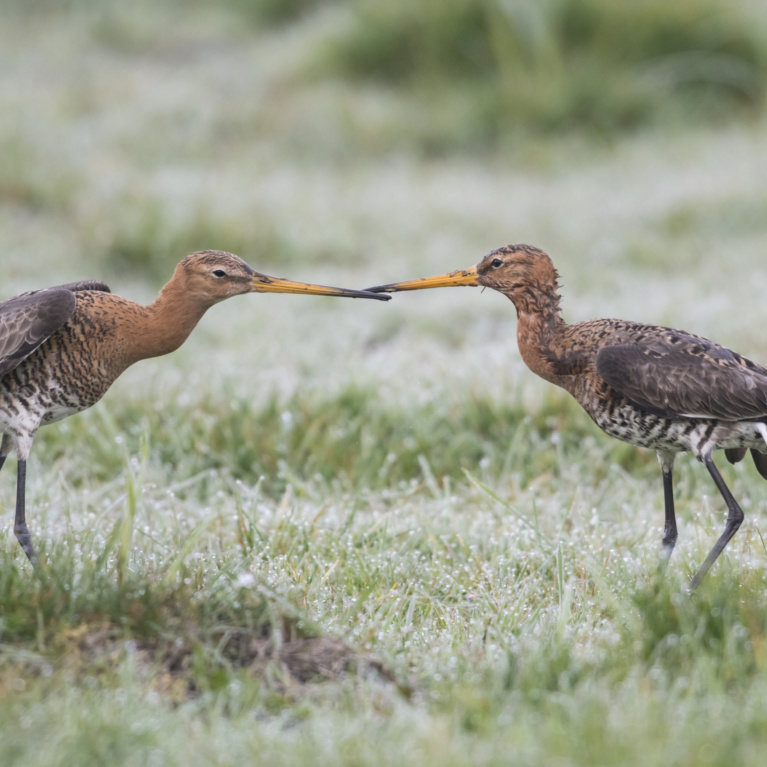
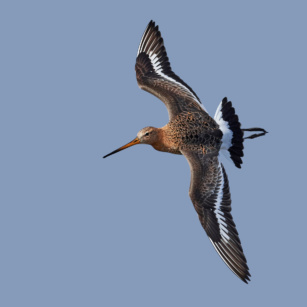
And to top it all off, this species knows how to keep its secrets. Males and females look so much alike that it’s nearly impossible to tell them apart with the naked eye, as if nature had invented the perfect “unisex” outfit.
Food
The Black-tailed Godwit feeds primarily on invertebrates, which it catches by probing the mud with its long, straight bill. It eats insects, larvae, mollusks, and worms, but readily supplements its diet with seeds and various plants depending on the season and available resources. Chicks, on the other hand, depend almost exclusively on invertebrates, which means their survival is closely tied to the ecological health of wet meadows.
Reproduction
The Black-tailed Godwit breeds in wet meadows, where it builds its nest directly on the ground, hidden among the vegetation. The female typically lays four eggs, which she incubates in an environment that must remain quiet and rich in resources. The young absolutely need tall grass to hide from predators, a crucial factor for their survival in the first few weeks. Breeding ranges vary by subspecies, with some nesting in Iceland and others from Great Britain to western Siberia.