Suede
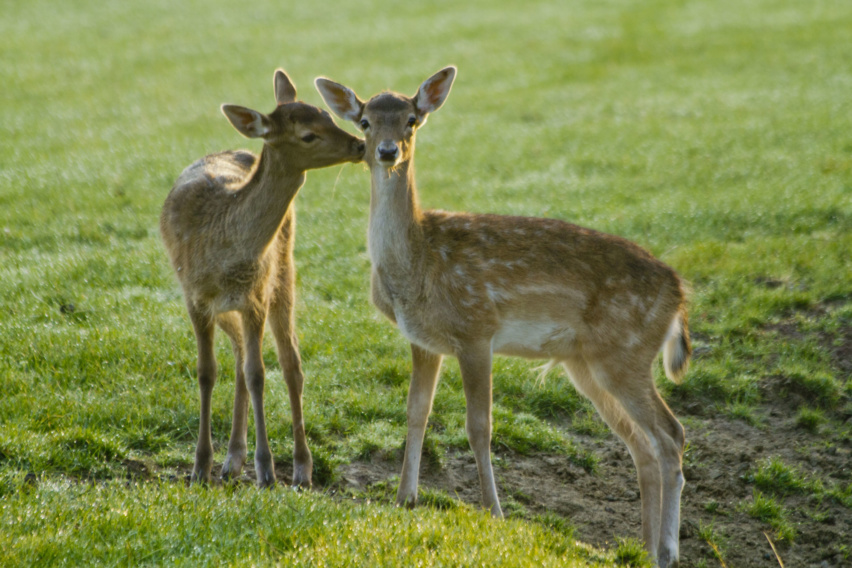
In an idyllic, unspoiled setting, watch the fallow deer roaming freely across dozens of acres of wilderness. They share the habitat with other deer species, such as red deer and mouflon…
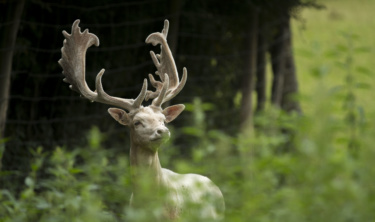
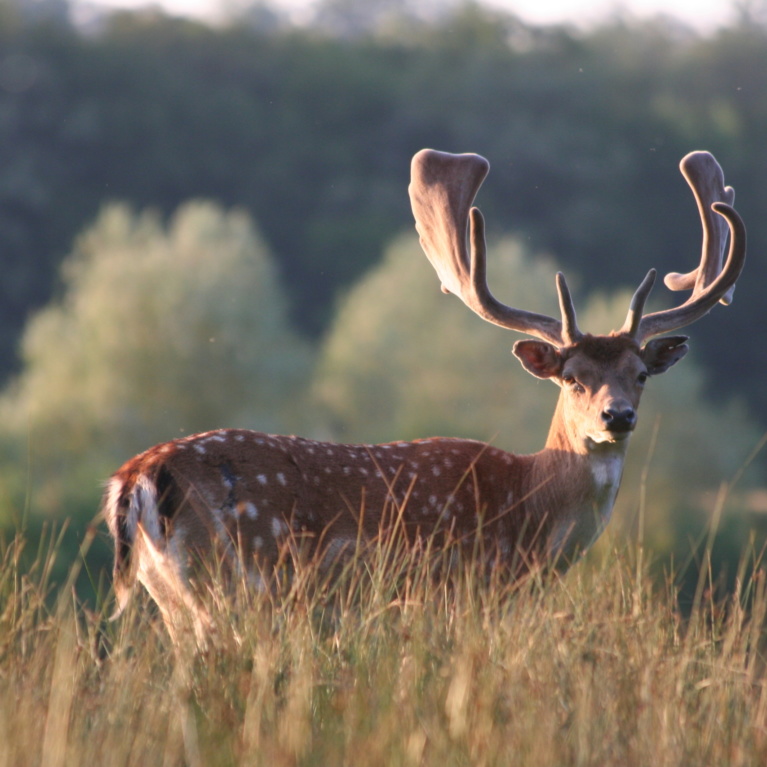
A deer with webbed antlers
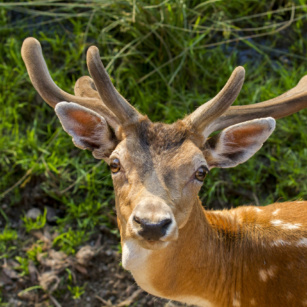
Its coat is speckled with white spots in summer and is grayish in winter. Breeders have also selected for black, white, and fawn coats.
Before the last ice age, the fallow deer was widespread in Europe and Asia Minor. Then it disappeared almost completely. Since then, it has gradually reclaimed much of its former range, greatly aided by humans who reintroduced it for hunting. Today, having become a feature of recreational parks, it is rarely found in the wild in our regions.
The mating season takes place between late October and mid-November. A competition then ensues among the males to determine which of them will be able to reproduce.
IUCN status
The International Union for Conservation of Nature’s Red List of Threatened Species (IUCN)
Description
Dama dama
Deer
25 to 80kg
80 to 110cm
Hardwood forests
Least Concern
20 to 25 years
Did you know?
The largest wild population is found in the Illwald Forest (Alsace). It is also found in northern Moselle (Sierck-les-Bains).
Food
Deer feed on herbs, grasses, bark, and buds.