Arctic fox
A surprising coat
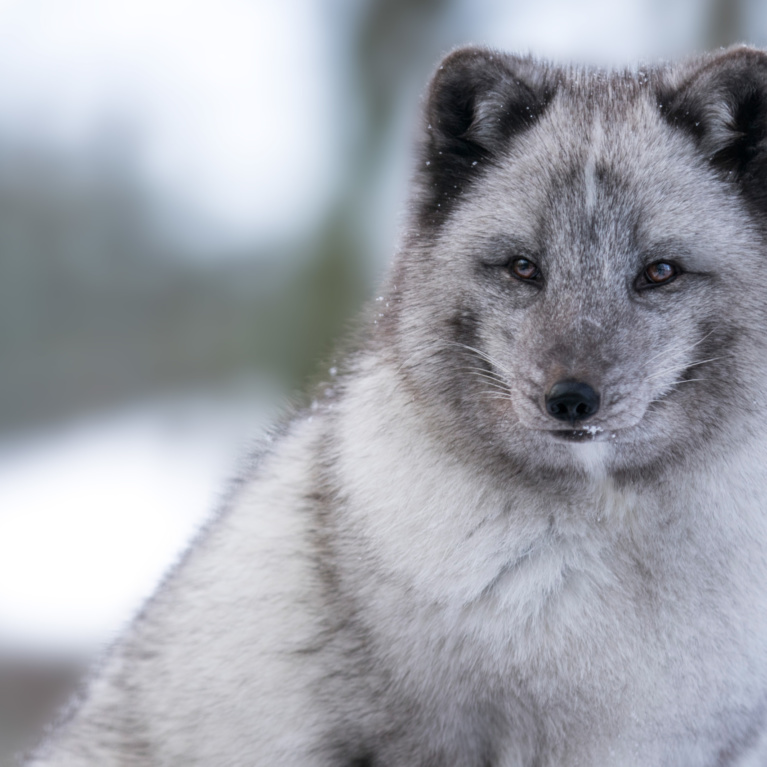
Its thick fur allows it to survive temperatures as low as -70°C.
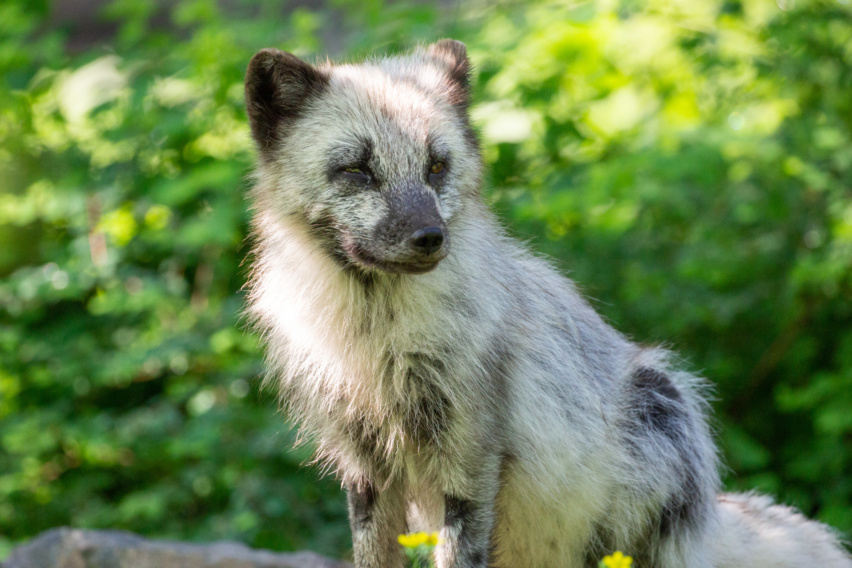
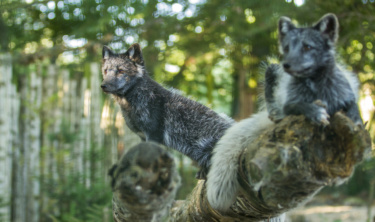
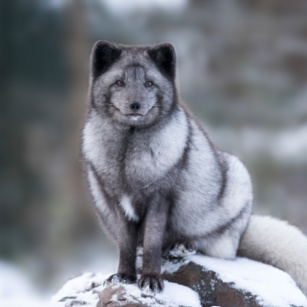
The color of its fur varies with the season: white in winter, gray in summer. The blue fox is a variant of the arctic fox (gray fur in winter and black in summer). In the wild, only 5% of individuals have bluish fur; however, they are very common in fur farms.
Climate change is driving the red fox northward. As a result, the red fox has become the Arctic fox’s greatest competitor. Not only does it invade dens and compete for the same prey, but it also preys on fox cubs. Faced with this ruthless competition, the Arctic fox is gradually disappearing from Arctic regions where the red fox has established itself.
IUCN status
The International Union for Conservation of Nature’s Red List of Threatened Species (IUCN)
Description
Vulpes lagopus
Canids
3 to 8kg
40 to 70cm
Tundra, sea ice, boreal forests of Canada and Alaska
Least Concern
10 to 15 year
Did you know?
In times of extreme famine, he survives by eating the droppings of polar bears, wolves, or musk oxen.
Food
Its diet varies depending on its habitat. It feeds on lemmings, seabirds, eggs, berries, and mountain hares.